Enhancing Capacities for Sustainable Community Engagement: Cases of Georgia and Sierra Leone
Dates: 20–24 October 2025
Locations: University of Sierra Leone (Fourah Bay College)
Programme: Erasmus+ Capacity Building in Higher Education (CBHE)
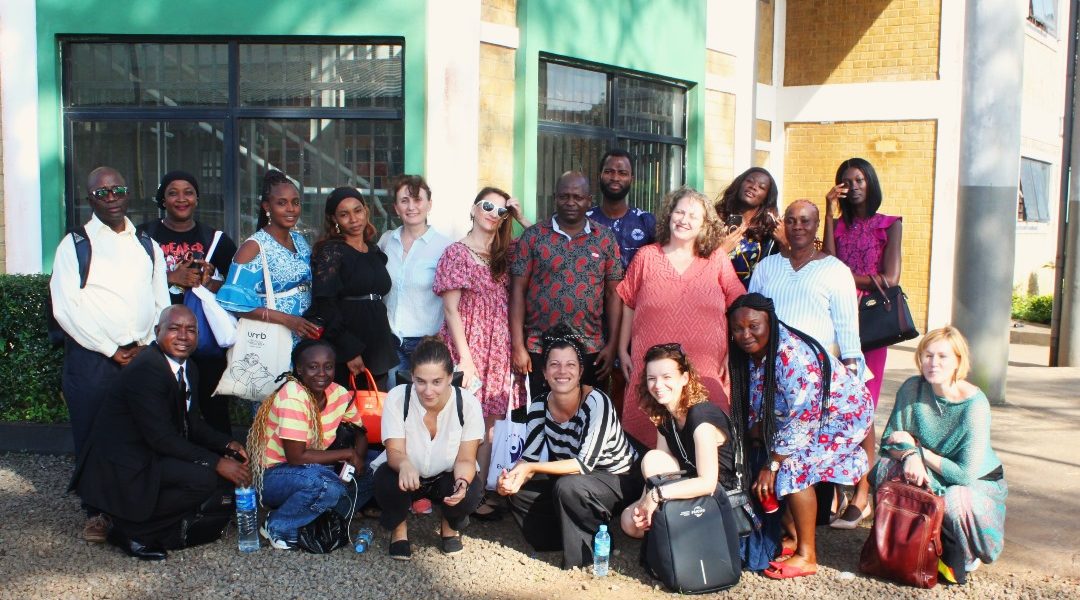
The Enhance-GSL Conference and Training Series was held from October 20 to 24, 2025, in Sierra Leone, marking a significant milestone for universities in both Sierra Leone and their European partners. Hosted jointly by the University of Sierra Leone (Fourah Bay College) and the University of Makeni (UNIMAK), the event formed part of the Erasmus+ Capacity Building in Higher Education (CBHE) project titled Enhancing Capacities for Sustainable Community Engagement: Cases of Georgia and Sierra Leone. Funded by the European Commission, the initiative unites six universities from Europe and Africa, the University of Georgia, Matej Bel University, the University of Rijeka, Sulkhan-Saba Orbeliani University, UNIMAK, and the University of Sierra Leone, with the shared ambition of building higher education institutions that are socially responsible, civically engaged, and responsive to community needs.
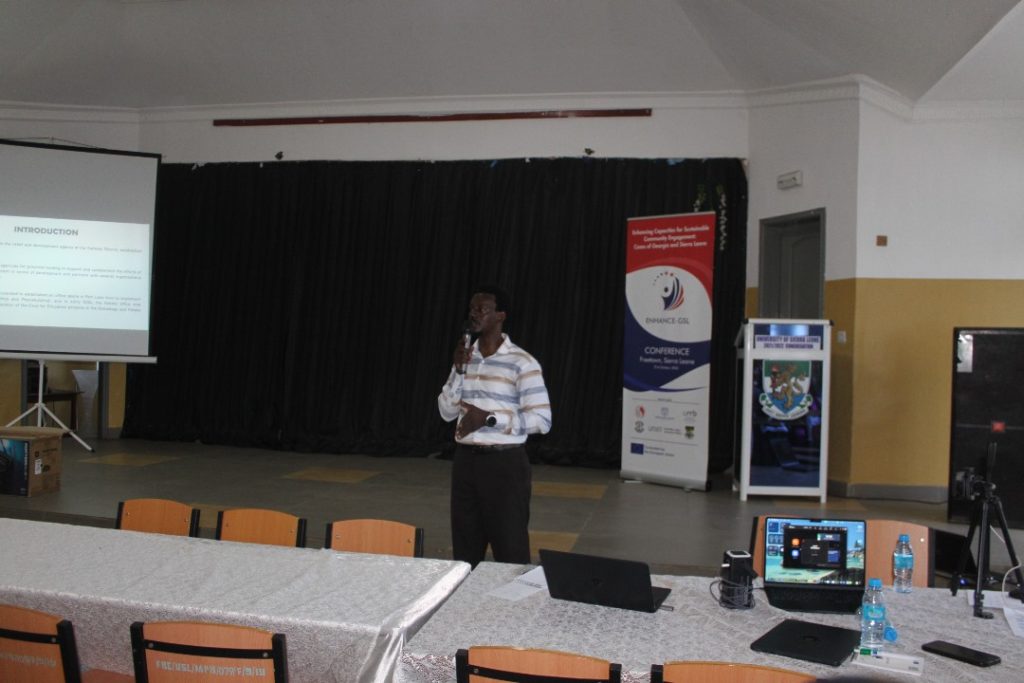
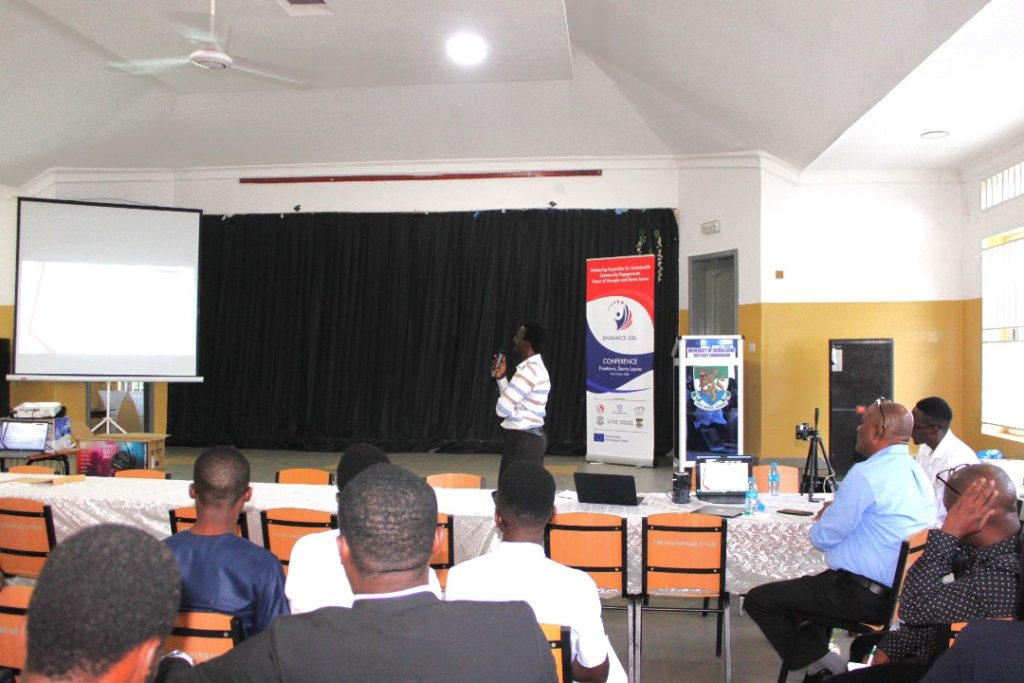
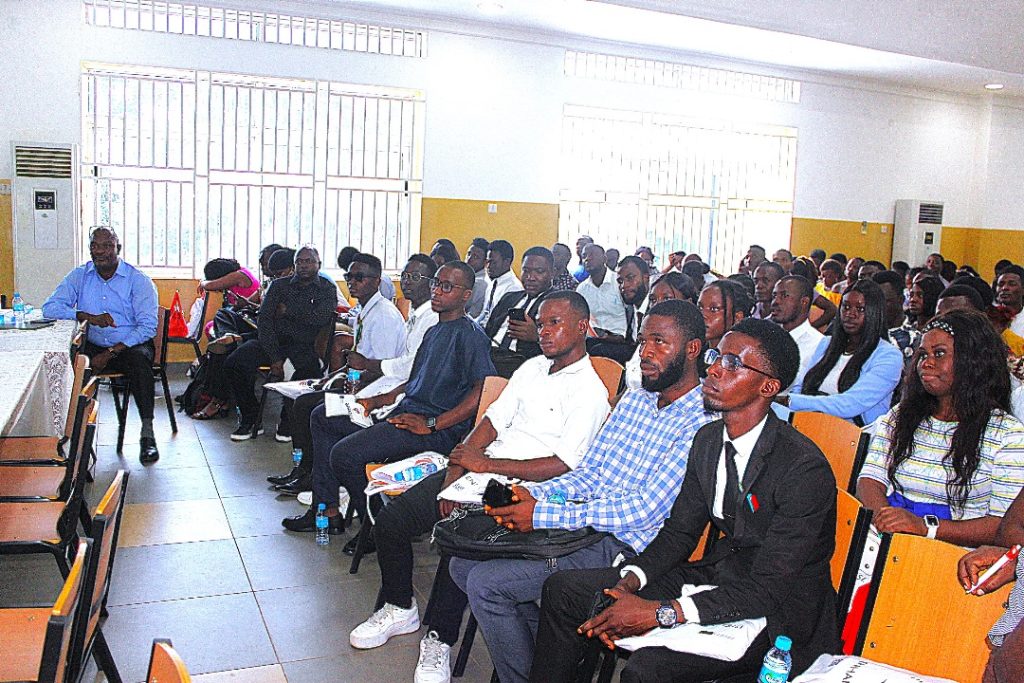
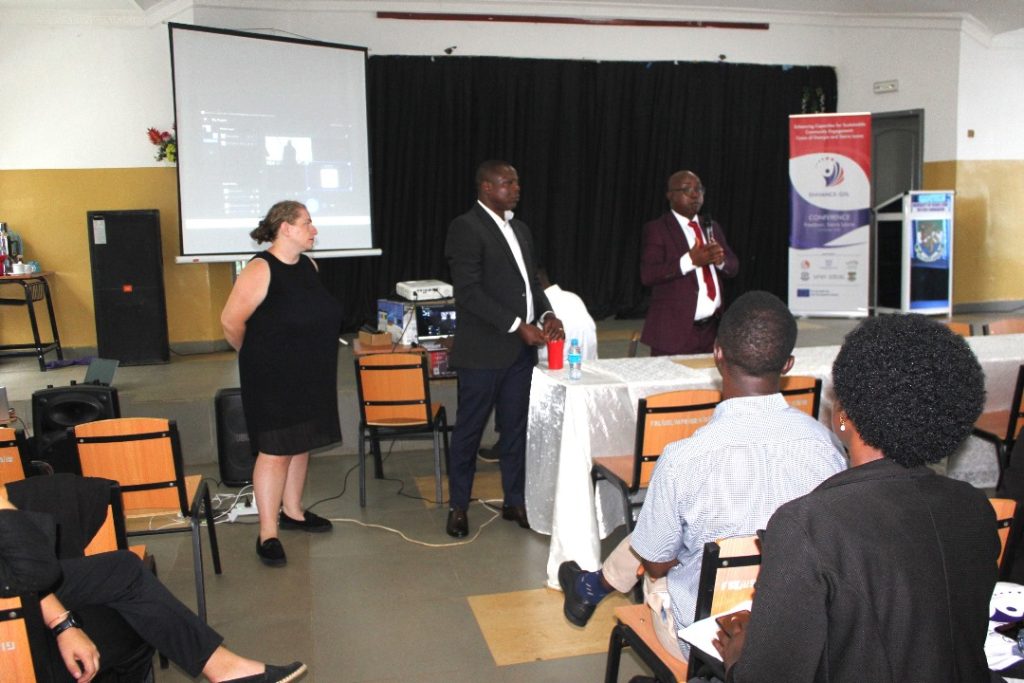
The week began with the international conference “Universities in Action: Global Perspectives on University–Community Partnerships” held on 21 October 2025 at Fourah Bay College, Freetown. The atmosphere was vibrant, with 250 participants attending in person and 19 joining online. In her opening address, Mrs Elizabeth Lucy Kamara, Assistant Deputy Vice-Chancellor 2 of Fourah Bay College, who represented the Deputy Vice-Chancellor, welcomed participants and reminded them that universities must go beyond classrooms to serve as catalysts for national development. She was followed by Ms Nato Chikhladze from the University of Georgia, who outlined the aims of the Erasmus+ Enhance-GSL project: to strengthen institutional capacity for community engagement and create sustainable partnerships that link higher education with social progress.
The day featured a strong line-up of speakers from Europe, Africa, and Sierra Leone. Professor Bojana Ćulum Ilić of the University of Rijeka, Croatia, opened with a keynote titled “Beyond the Classroom Walls: Community-Engaged Learning for Social Justice.” She spoke passionately about education as an act of liberation, not conformity, citing Paulo Freire’s argument that “education is never neutral; it either serves to domesticate or to liberate.” Her address challenged universities to engage directly with communities through mutual learning and shared purpose. Dr Judith Pete from Tangaza University, Kenya, contributed an African perspective in her presentation “Bringing Academia and Community Development – Strengthening University–Community Partnerships for Sustainable Impact.” Drawing on African philosophies such as Harambee, collective action and solidarity, she emphasised that service learning should emerge from local contexts and indigenous wisdom, not as imported models.
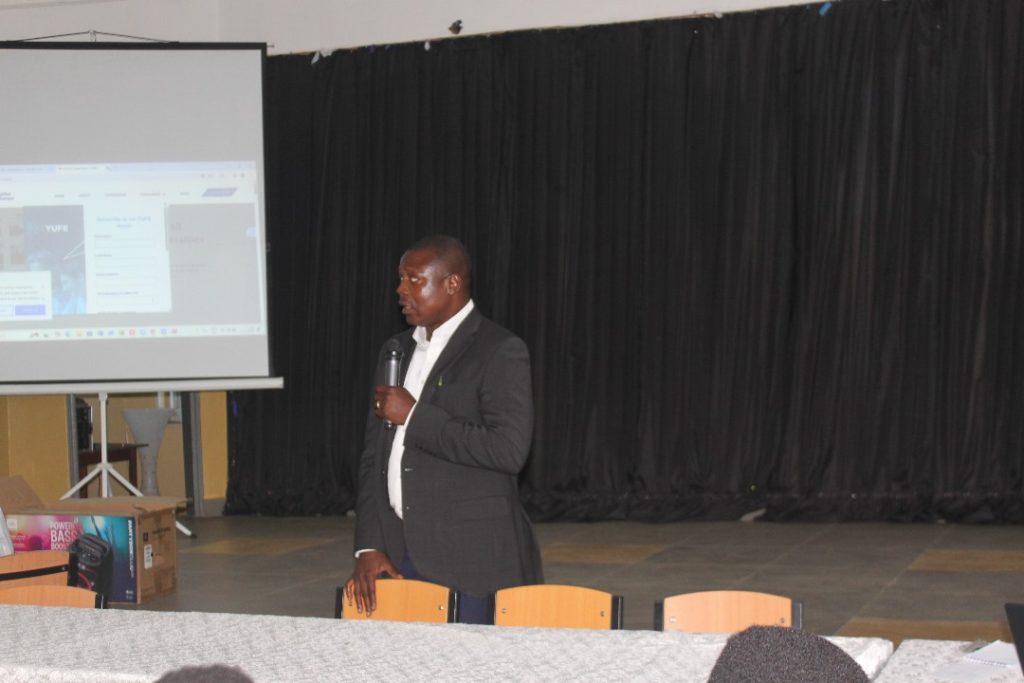
Following these sessions, Professors Ćulum Ilić and Alžbeta Brozmanová Gregorová introduced the Community Engagement in Higher Education Manual, describing it as “a map, a mirror, and a catalyst” for institutional transformation. They also showcased examples from the European University Alliances YUFE and EMERGE, illustrating how transnational collaboration is embedding civic engagement into university missions across Europe. Later presentations highlighted practical and local perspectives. Mr Alhaji Kargbo of Caritas Makeni outlined community participation initiatives in Sierra Leone, while Ms Candelaria Ferrara from CLAYSS, Argentina, spoke about innovative approaches to university-community partnerships and their measurable impact on students and local development. Professors Gregorová and Zuzana Heinzová from Matej Bel University shared their Service-Learning in the Prison project, which connects education with rehabilitation and social reintegration. Local presenters — Mr Unisa Patrick Kamara from UNIMAK, Dr Leonard Bangura from Fourah Bay College, Ms Shorena Parunashvili from Sulkhan-Saba Orbeliani University, and Dr Tinatin Chitorelidze with Mr Archil Jangirashvili from the University of Georgia, gave insight into their own institutional experiences and challenges in advancing engagement. The closing session, led by the Enhance-GSL coordination team, focused on sustainability, institutionalisation of engagement, and the next phase of collaboration, including preparations for the 2026 follow-up conference in Georgia.
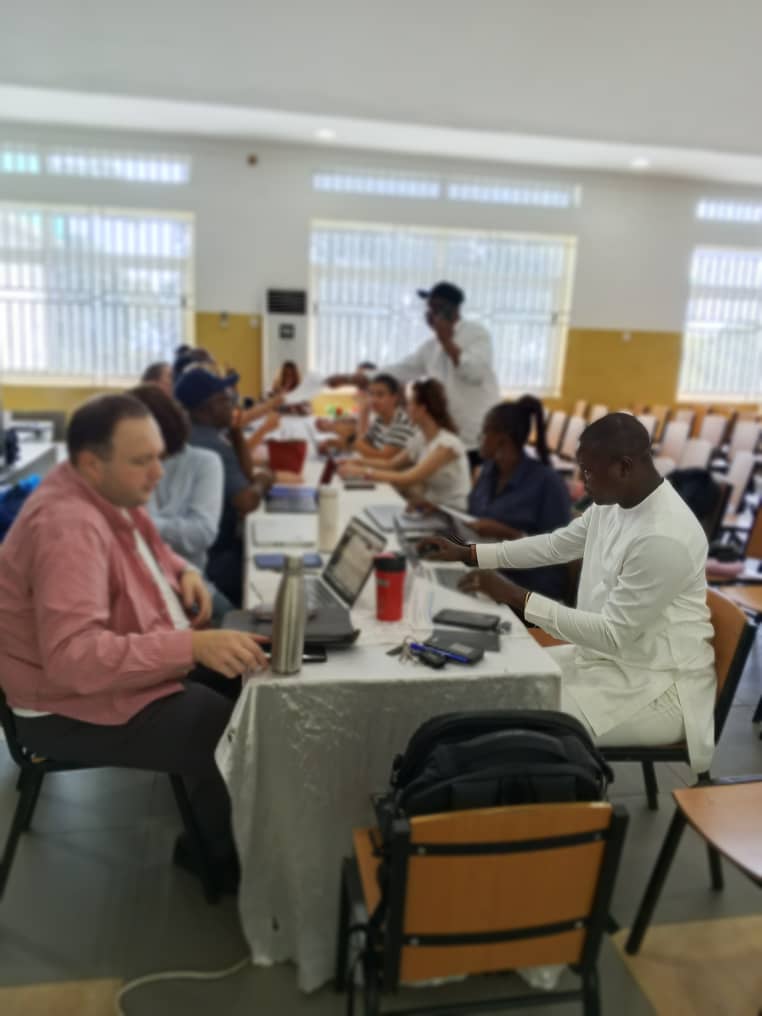
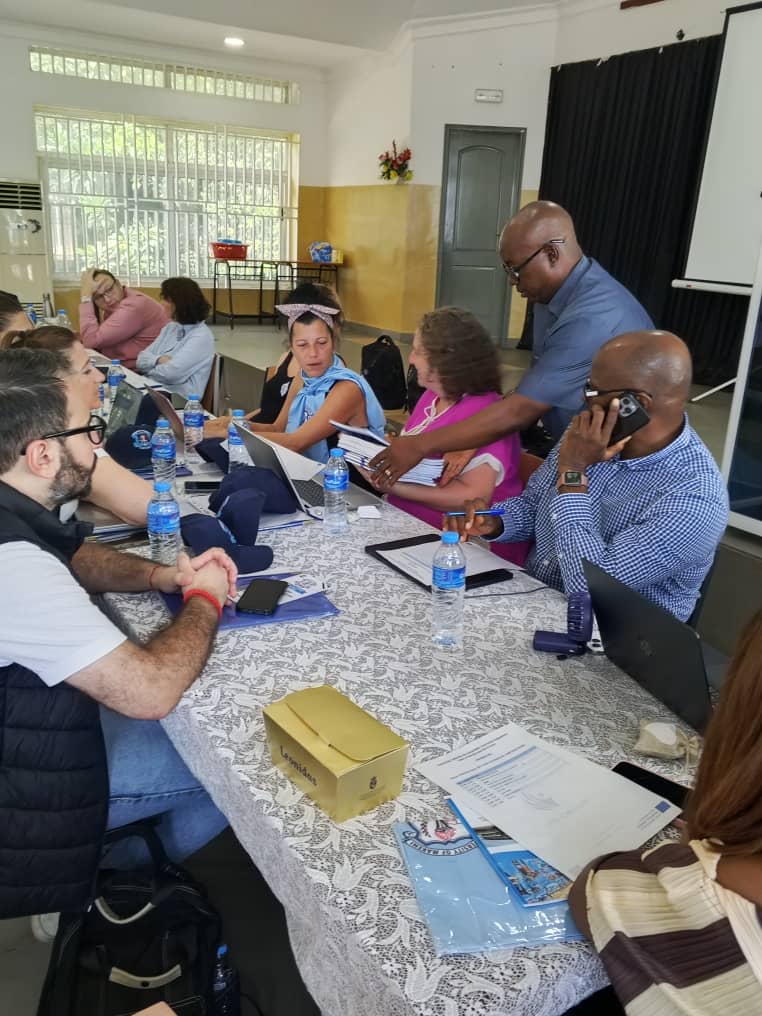
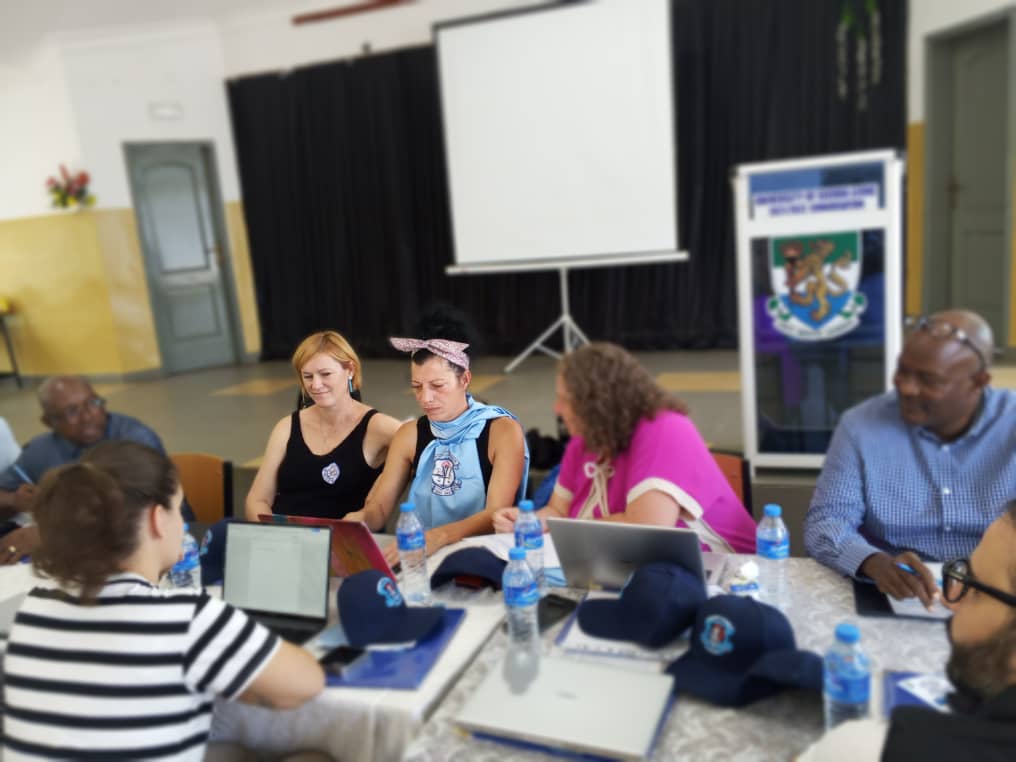
The three days that followed were devoted to the Training of Trainers Workshop, held from October 22 to 24, 2025, at Fourah Bay College. Twenty-nine participants, including ten from UNIMAK, ten from USL, and nine from partner universities in Georgia, Croatia, and Slovakia, took part in an intensive programme designed to build capacity in Community-Engaged Teaching and Learning (CETL). The workshop was facilitated by Professors Bojana Ćulum Ilić, Alžbeta Brozmanová Gregorová, and Zuzana Heinzová, whose approach combined theory, dialogue, and reflection. On the first day, participants explored the meaning of university–community engagement, discussing how authentic and context-specific relationships can replace one-way outreach models. The second day introduced practical service-learning techniques that link classroom learning with real community needs through reciprocity and reflection. The final day centred on reflective practice using the “4Cs Model”-Continuous, Connected, Challenging, and Contextualized – encouraging educators to see reflection as a means of transformation for both students and teachers.
Participants described the training as “eye-opening” and “deeply relevant to Sierra Leone’s realities.” Many expressed a renewed sense of purpose to embed community engagement into their teaching and research. The sessions sparked collaboration between UNIMAK and USL representatives, who agreed to establish dedicated Community Engagement Units in their institutions to coordinate future projects, mentorship, and outreach activities. Several participants also proposed piloting new service-learning projects in 2026 that would connect students with local communities through initiatives focused on agriculture, environmental sustainability, and health education.
The combined conference and training produced significant results. It strengthened partnerships between Sierra Leonean and European universities, broadened understanding of community engagement as a core university mission, and built the practical capacity needed to translate this mission into action. The week also provided a platform for the exchange of ideas on how higher education can address social challenges through collaboration, empathy, and shared responsibility. As one participant summarized, “Engagement is not an add-on, but a pathway to institutional transformation.”
By the end of the programme, the partners agreed on several forward-looking commitments: the creation of Community Engagement Units at both UNIMAK and USL, the translation and contextual adaptation of the Community Engagement Manual for Sierra Leone, and the organization of a follow-up international conference in Georgia in 2026 to share progress. These initiatives reflect the project’s evolution from dialogue to implementation, ensuring that the lessons of the conference become part of lasting institutional structures.
The October 2025 Enhance-GSL events reaffirmed a simple but powerful message: universities thrive when they engage with their communities. From the lecture halls of Fourah Bay College to the training rooms in Freetown, the week demonstrated that learning, when joined with empathy and collaboration, becomes a force for transformation. The project continues to build bridges between Europe and Africa, between knowledge and practice, nurturing universities that educate not only minds but also hearts, and that measure success not only in the degrees awarded but also in the lives changed through partnership and service.