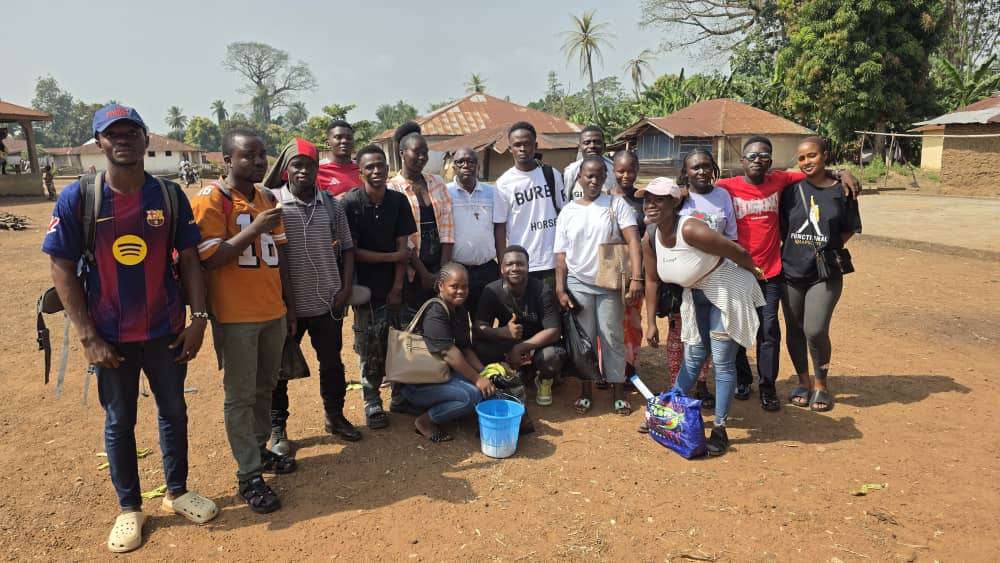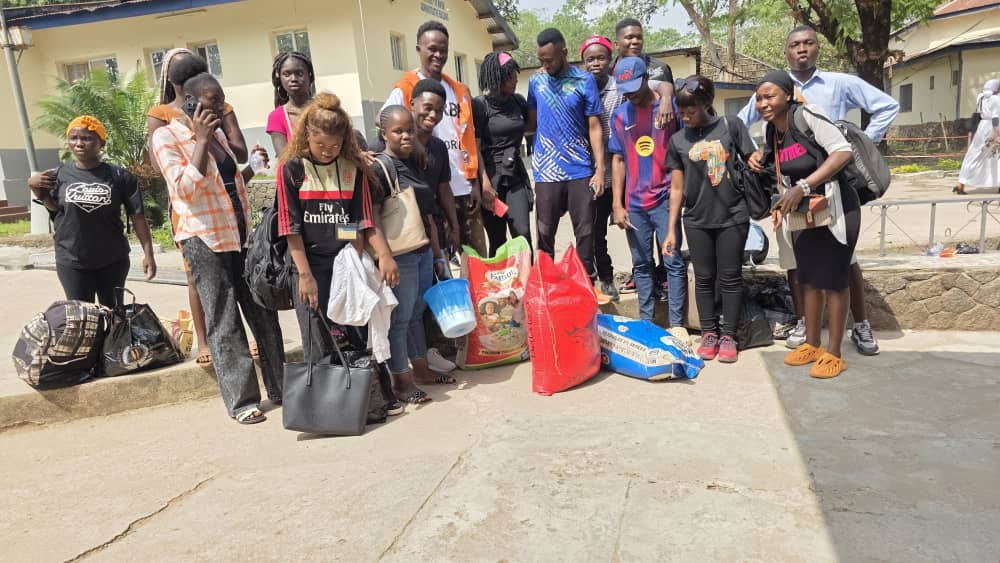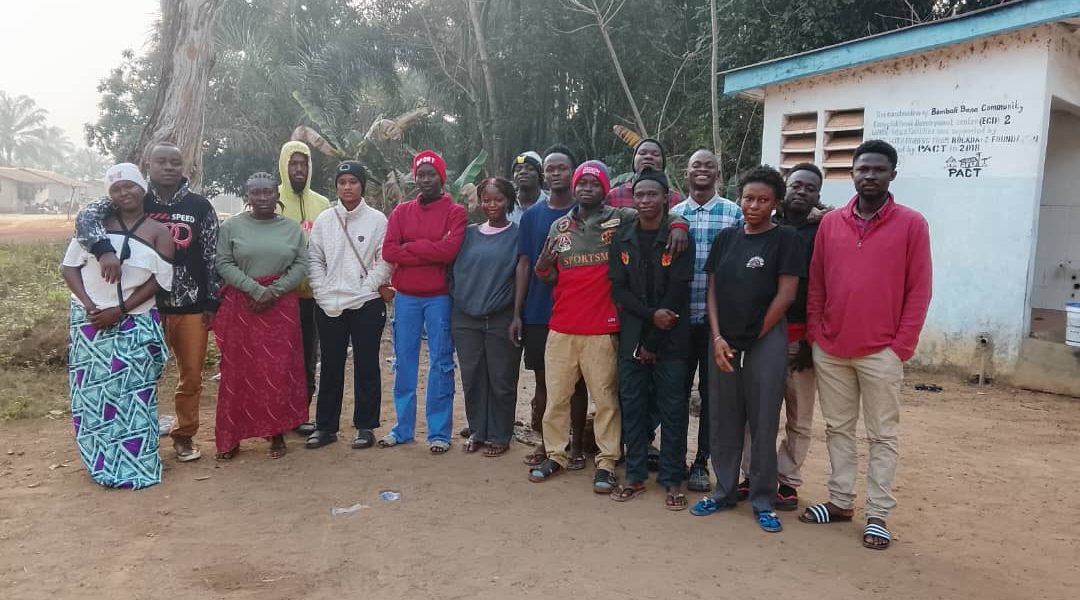
The University of Makeni has completed four student-led community engagement activities that connected academic learning with identified needs in communities around Makeni. Implemented under the Erasmus+ ENHANCE-GSL Project, the initiatives addressed literacy and learning support, public-health awareness, sanitation and climate action, and entrepreneurship and livelihood skills. Together, the activities involved 61 university students, recorded 21 community-partner involvements, and reached 1,710 beneficiaries. University staff, schools, health professionals, public agencies, local councils, civil-society organizations, youth and women’s groups, and community leaders worked with the students throughout implementation.
The program demonstrated the university’s shift from occasional outreach to planned, reciprocal, learning-centered engagement. Each activity began with consultation or needs assessment, followed by student preparation, joint planning with partners, supervised implementation, reflection, and feedback. This process helped ensure that communities were not treated simply as recipients of university assistance. Their knowledge, priorities, and existing structures influenced how the activities were designed and delivered.
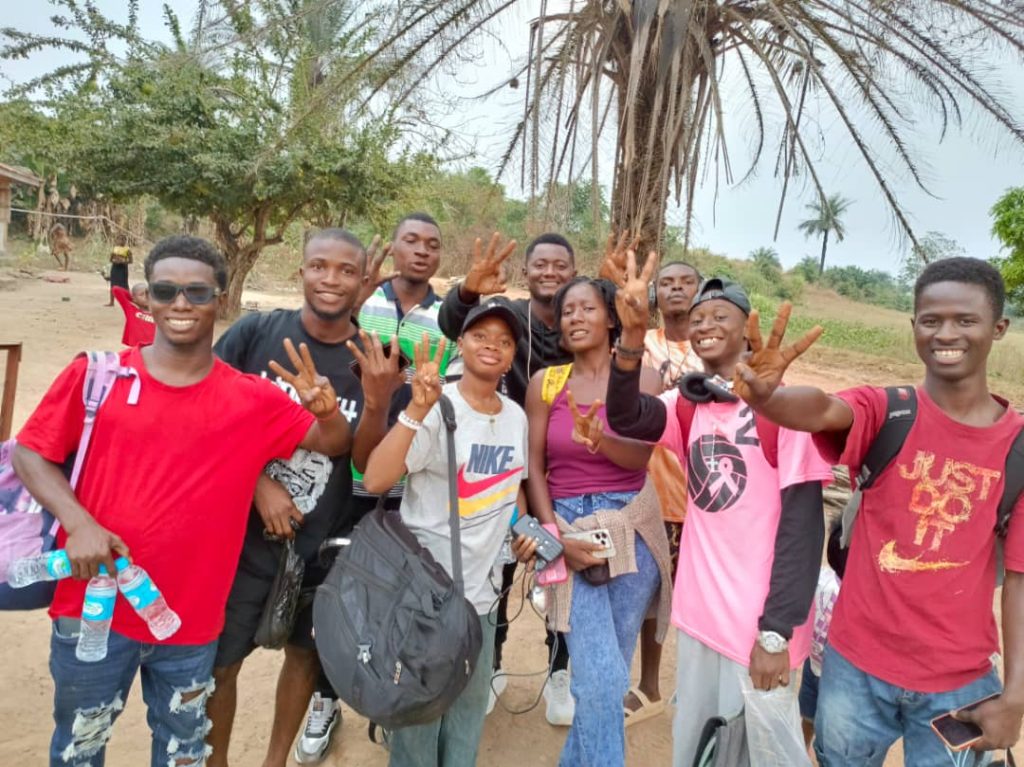
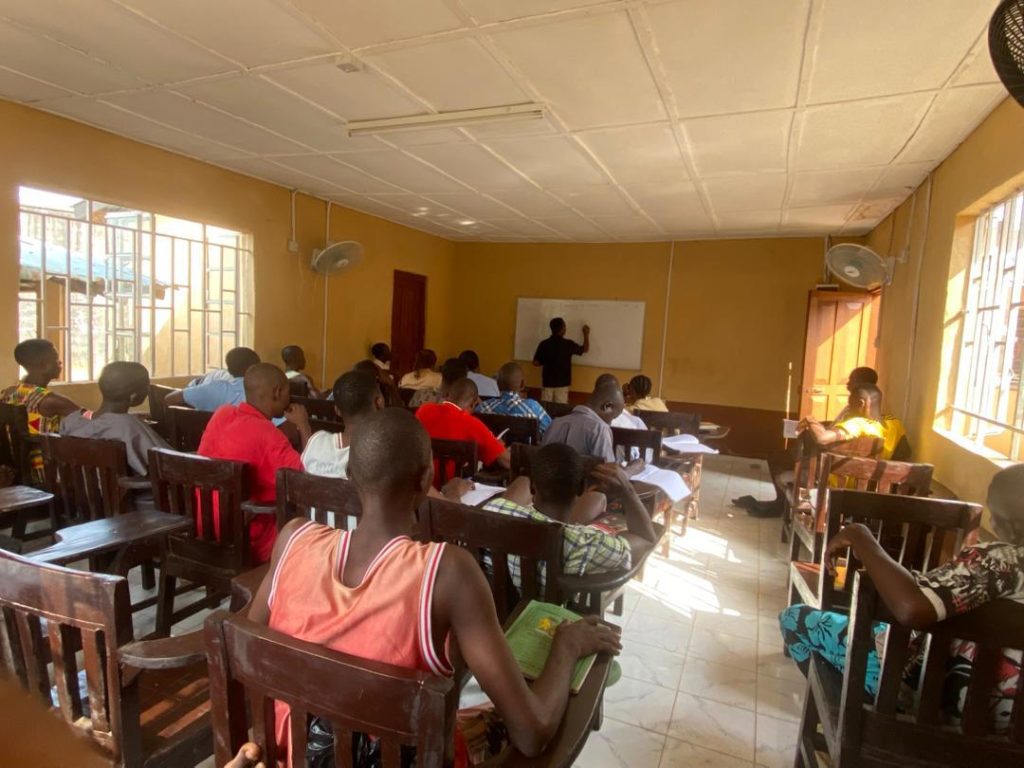
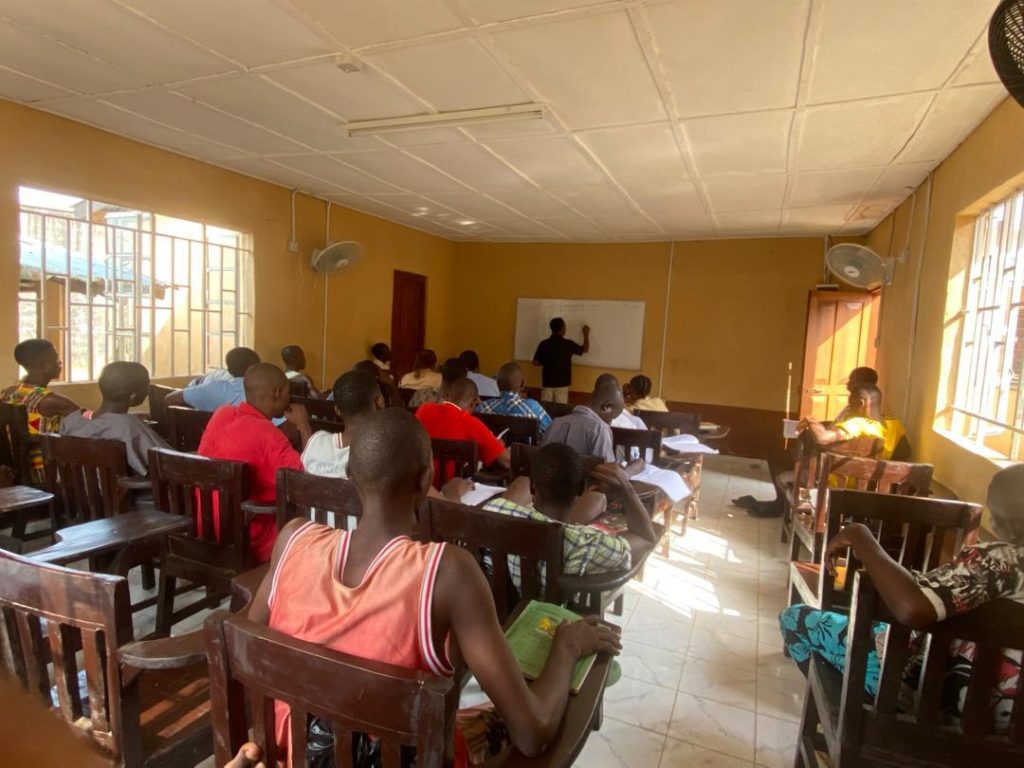
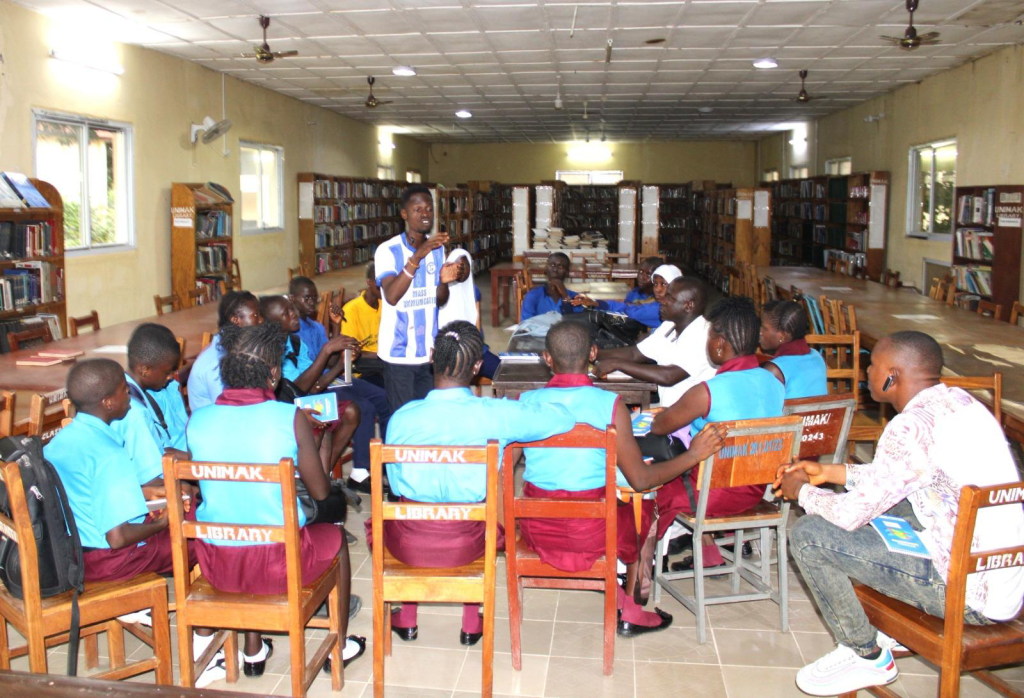
The first initiative, Student-Led Community Literacy and Learning Support, was implemented from January to March 2026 through weekly sessions in two partner-school communities. Three university staff members coordinated and supervised 12 student tutors and mentors, who provided additional learning support to 300 pupils from rural communities around Makeni. Discussions with school authorities, teachers, and parents, along with basic learner assessments, helped the team identify the areas where pupils needed support.
Before entering the schools, the student volunteers received guidance in child protection, ethics, lesson planning, communication, and cultural sensitivity. Working alongside teachers, they conducted after-school lessons, reading activities, literacy and numeracy exercises, homework support, small-group learning, reading clubs, and motivational mentoring. Attendance records, supervision visits, reflective journals, and learning reports were used to track activities and capture lessons from the field.
The pupils received more opportunities to practise reading, obtain help with schoolwork and interact with university students who encouraged them to take greater interest in their education. The student tutors gained practical experience in teaching, mentoring, teamwork, leadership, time management and working with children. The activity also strengthened relationships between UNIMAK and the participating schools. The team managed differences in learner ability, transport constraints, student workload, and supervision demands through careful scheduling, small-group teaching, shared supervision, and collaboration with schools close to the university.
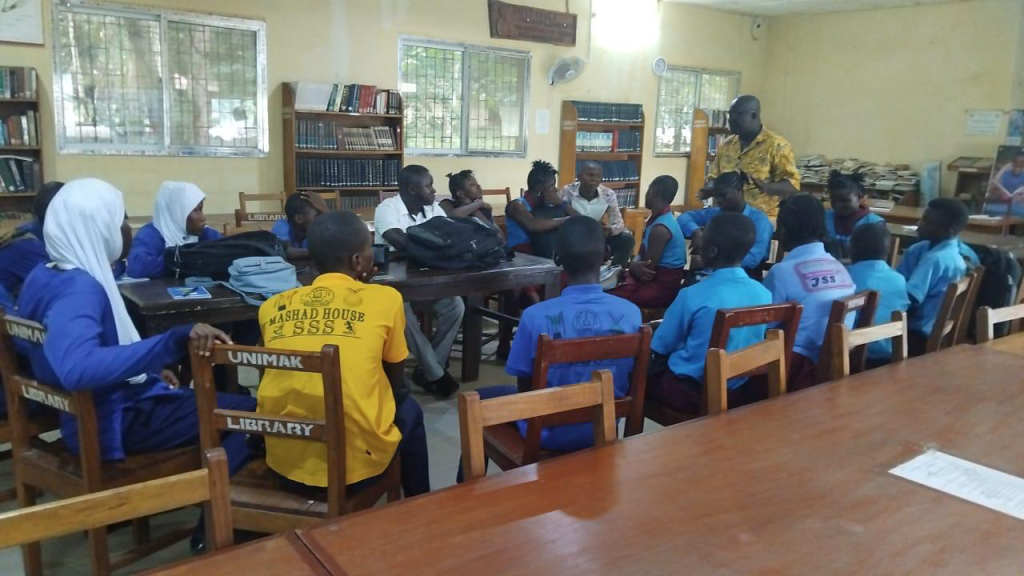
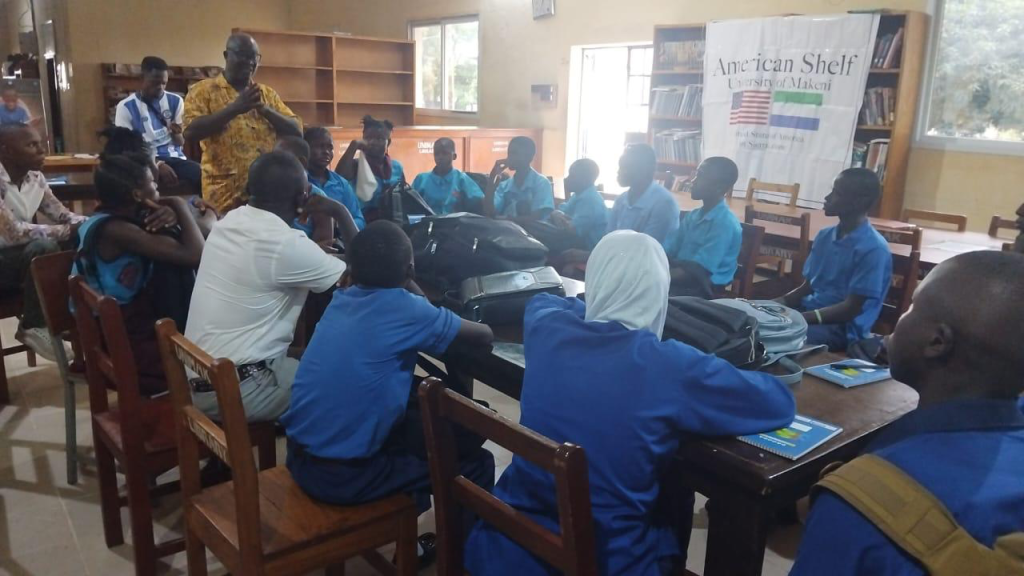
The second initiative, Student Community Health Awareness and Advocacy, involved four university staff members and 16 student health ambassadors. The campaign engaged four categories of partners, including health professionals, student health clubs, community leaders, and other relevant stakeholders, and reached 120 community beneficiaries. Consultations with health workers and community representatives helped identify priority concerns, while students received preparation in health communication, ethics, and community mobilization.
The campaign addressed sanitation, nutrition, mental health, maternal health, and disease prevention. Students worked alongside health professionals and trusted community leaders to communicate preventive health messages in respectful, practical, and understandable language. Weekly check-ins, supervision, surveys, participation records, community feedback, and student debriefing supported implementation. A major field activity was held on 4 April 2026 as part of the wider campaign cycle.
Community members gained opportunities to discuss health concerns and receive information relevant to everyday life. Students developed confidence in advocacy, public speaking, teamwork, and mobilisation. Limited funding and gaps in specialist expertise were addressed through cooperation with health agencies and guest professionals. Where beliefs and established practices influenced health decisions, the team worked through trusted local leaders and avoided technical language. The experience confirmed that university-led health education is most effective when it responds to identified needs and is supported by qualified professionals and recognized community structures.
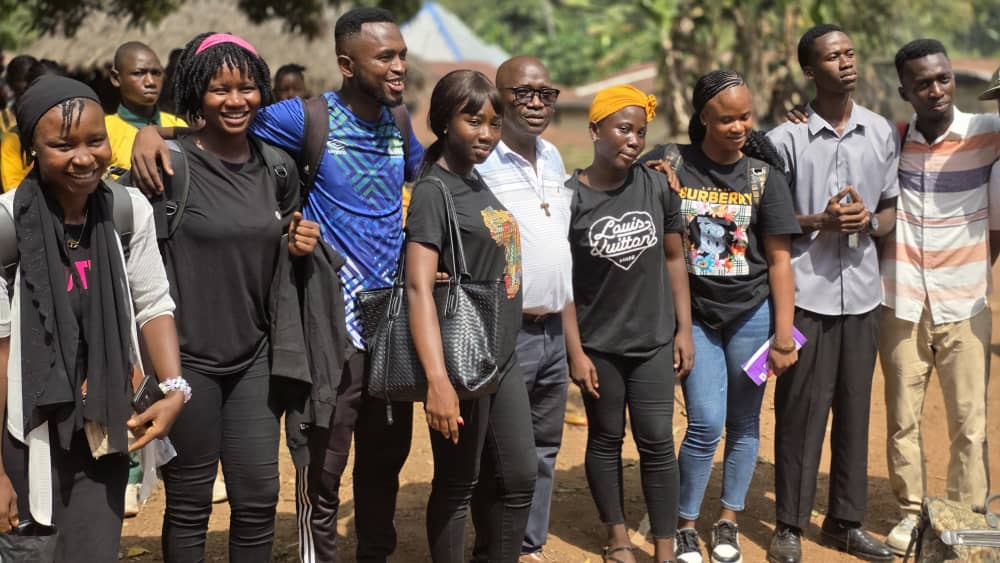
Environmental responsibility formed the focus of the third initiative, Student-Led Sanitation and Climate Action, held on 25 April 2026. Two university staff members supported 18 student volunteers, while 10 community partners were involved, including the Environmental Protection Agency, local councils, student environmental clubs, community action teams, and community leaders. Ninety residents and community-group members benefited directly from cleanup activities, waste-management education, and tree planting.
Implementation started with site assessments and consultations to identify environmental concerns and select appropriate areas. Students received safety guidance and an orientation on responsible environmental work and waste handling. Risk assessment and safety planning were particularly important because clean-up exercises involve physical work and possible exposure to dangerous waste. Community leaders participated in planning, helping to mobilize residents and build local ownership before the field activity began.
Students and community members then worked in teams to clean shared spaces, discuss proper waste-management practices, and plant trees. The activity produced visible improvements while giving students practical experience in leadership, teamwork, problem-solving, mobilization, and responsible citizenship. Monitoring logs, group discussions, community feedback, and student reflections helped the university document implementation and identify improvements for future environmental work.
The initiative also exposed the difference between a one-day event and sustainable environmental action. A cleaned space can quickly deteriorate if waste-disposal behavior does not change, and planted trees may not survive without protection and care. For this reason, the activity linked practical work with public education and involved community leaders and action teams in discussions about maintaining the improvements. Shortages of tools and equipment were reduced through cooperation with local councils and other partners, while team-based working helped students manage the physical demands safely.
The fourth initiative, Entrepreneurship and Skills Development, was implemented from 12 to 14 February 2026 through workshops, coaching, and peer mentoring. Five university staff members supported 15 student facilitators, while five partner groups—including youth and women’s groups, entrepreneurship hubs, the Faculty of Commerce and Management, and NGO partners—contributed to planning and delivery. The activity reached 1,200 beneficiaries, making it the largest of the four initiatives by community participation.
A needs assessment and discussions with partner organizations identified gaps in entrepreneurship, financial literacy, employability, and practical livelihood skills. The student facilitators received guidance in facilitation and ethical engagement before supporting the sessions. Participants were involved in shaping the program so that it reflected their interests and experiences. Teaching methods were adapted to different literacy levels and emphasized discussion, coaching, practical examples, and peer learning rather than relying only on classroom-style presentation.
Participating youth and women strengthened their understanding of enterprise, financial decision-making, employability, and livelihood planning. The students gained experience in public speaking, mentoring, teamwork, mobilization, and translating academic concepts into accessible community learning. Review sessions, skills assessments, participant feedback, and showcase presentations helped the team monitor progress. Limited funding, staff availability, and students’ initial lack of facilitation experience were managed through partnerships, shared facilitation, mentoring, and available institutional resources.
The entrepreneurship initiative showed that community members are not empty vessels waiting for university knowledge. Participants brought experience of local markets, household responsibilities, and livelihood constraints. When these experiences informed the sessions, the engagement became more relevant and participatory. The activity also strengthened UNIMAK’s relationships with organizations supporting youth and women and enhanced the university’s visibility as a partner in economic resilience and community development.
Across the four activities, the benefits extended in three directions. Communities received learning support, preventive-health information, environmental assistance, and livelihood education. Students applied academic knowledge in real settings and developed confidence, empathy, communication, leadership, teamwork, and problem-solving skills. University staff and partner organizations gained experience in jointly planning, supervising, and evaluating community-based learning. The initiatives therefore demonstrated that well-designed engagement can create value for students, institutions, and communities at the same time.
The implementation also generated important lessons. Consultation must come before intervention. In the literacy activity, listening to teachers and parents identified actual learning needs. In the health campaign, health workers and community representatives helped determine relevant messages. Environmental site assessments guided safe and useful action, while the entrepreneurship needs assessment ensured that training reflected the realities of youth and women. These experiences confirmed that the quality of engagement depends on how well the university listens before it acts.
Student preparation was equally important. Child protection and lesson planning supported responsible tutoring; health-communication and ethics training helped ambassadors present accurate messages; safety orientation reduced risks during environmental work; and facilitation mentoring prepared students to work with participants of different literacy levels. Students can make a strong contribution to community development, but enthusiasm must be supported by appropriate knowledge, supervision, and clear boundaries.
Partnerships made the activities possible. Schools and teachers provided educational knowledge and access to pupils. Health professionals safeguarded the quality of health information. Environmental agencies and councils contributed authority, equipment and technical guidance. Entrepreneurship hubs, NGOs and community groups brought practical experience and networks. These relationships enabled UNIMAK to address limitations in funding, specialist knowledge, tools and logistics while avoiding duplication of work already being done by local institutions.
The activities also revealed challenges that require institutional attention. Staff had to balance supervision with their normal responsibilities, while students managed community service alongside lectures and assignments. Transport, materials, equipment, and operating funds were limited. Some activities created expectations beyond their agreed scope, and one-time interventions required arrangements for maintenance and follow-up. Clear communication, shared supervision, realistic scheduling, risk management and local ownership helped, but longer-term sustainability will require predictable institutional support.
The four initiatives provide a practical foundation for integrating community engagement into teaching, research and university service. Literacy support can be linked to education courses and supervised teaching practice. Health awareness can strengthen community-health education and professional communication. Environmental action can connect science, public health and civic learning, while entrepreneurship engagement can support business, management and employability programmes. Structured reflection and assessment can convert these experiences into recognised academic learning.
For UNIMAK, the next task is to move from successful individual activities to an institutional system. This will require a functioning Community Engagement Unit, clearly assigned responsibilities, faculty ownership, an annual operating budget, partner agreements, student-preparation standards, risk procedures and a shared monitoring framework. Success should be assessed not only by the number of activities or participants, but also by student learning, partner satisfaction, community-defined outcomes, continuity and the strength of relationships created.
The implementation of the ENHANCE-GSL community engagement activities has shown what is possible when university knowledge is combined with community experience. Sixty-one students moved beyond the classroom to serve as tutors, health ambassadors, environmental volunteers and enterprise facilitators. More than 1,700 beneficiaries participated across the four initiatives, while schools, health actors, public agencies, civil-society organisations and community groups helped shape the work. The experience marks an important step in UNIMAK’s commitment to becoming a more engaged university—one that educates through service, learns from communities and works with partners to address shared challenges in Sierra Leone.