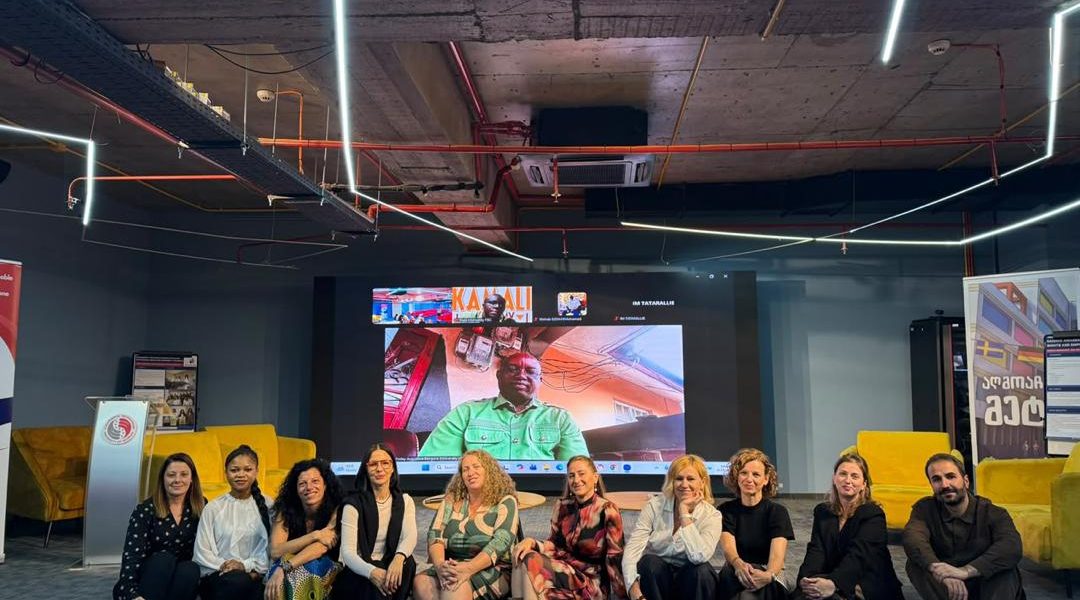
Tbilisi, Georgia, 29 September 2026 – The European Union-supported ENHANCE-GSL project, “Enhancing Capacities for Sustainable Community Engagement: Cases of Georgia and Sierra Leone,” concluded a major chapter of its work with an international final conference hosted by the University of Georgia in Tbilisi. Held under the theme “Connecting Knowledge and Society: The Changing Role of Universities,” the conference brought together university leaders, academics, students, civil society representatives, community partners, and other stakeholders to reflect on the project’s achievements and consider how its gains can be sustained beyond the funding period.
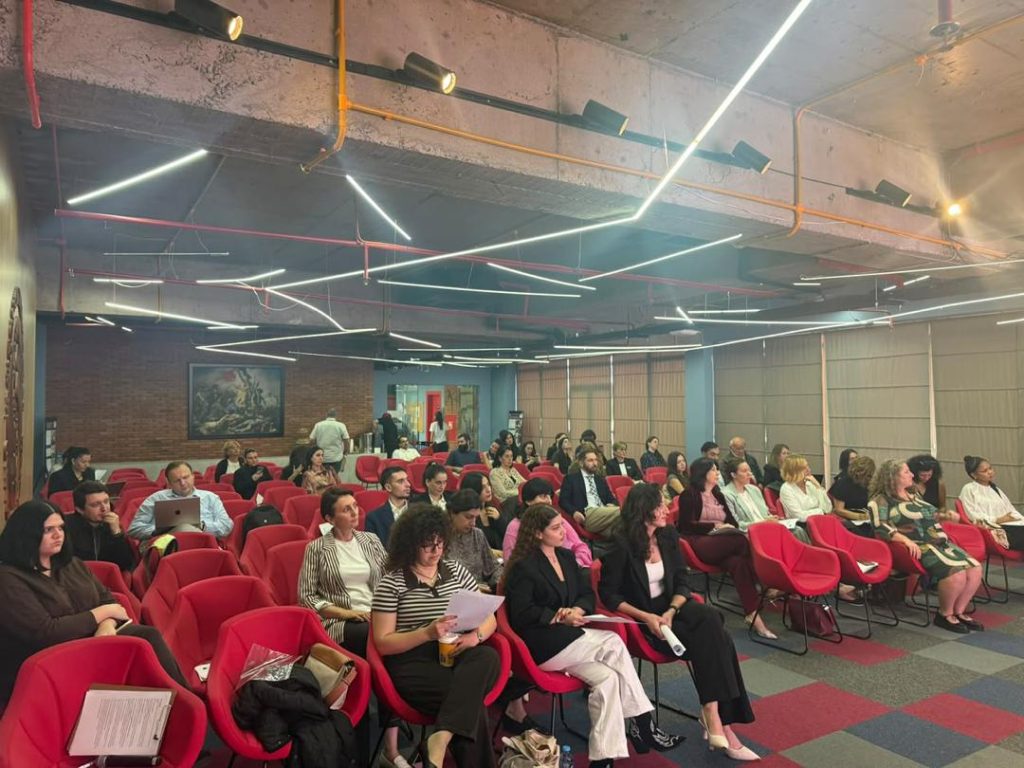
The final conference represented much more than the ceremonial end of an international project. It allowed partners from Sierra Leone, Georgia, Slovakia, and Croatia to share experiences from nearly two years of capacity building, institutional development, training, and practical community engagement. More than 100 participants, attending in person and online, took part in discussions about how universities can strengthen their contribution to society by working more closely and consistently with the communities around them.
From Teaching and Research to a Stronger Third Mission
A central message running through the conference was that the modern university has responsibilities beyond conventional teaching and research. Community engagement, civic responsibility and collaboration with society constitute an increasingly important Third Mission of universities.
The conference therefore focused on three closely connected themes: the Third Mission of universities, community engagement, and the development of service-learning or community-engaged learning. Participants considered how academic knowledge can connect with real social challenges and how students can learn while contributing to community development.
These discussions reflected the core purpose of ENHANCE-GSL. Financed by the European Union under the Erasmus+ Capacity Building in Higher Education programme, the project was designed to strengthen universities in Georgia and Sierra Leone in building meaningful relationships with their non-academic communities. Its objectives included developing institutional capacity for community engagement and increasing awareness of community engagement within higher education and society.
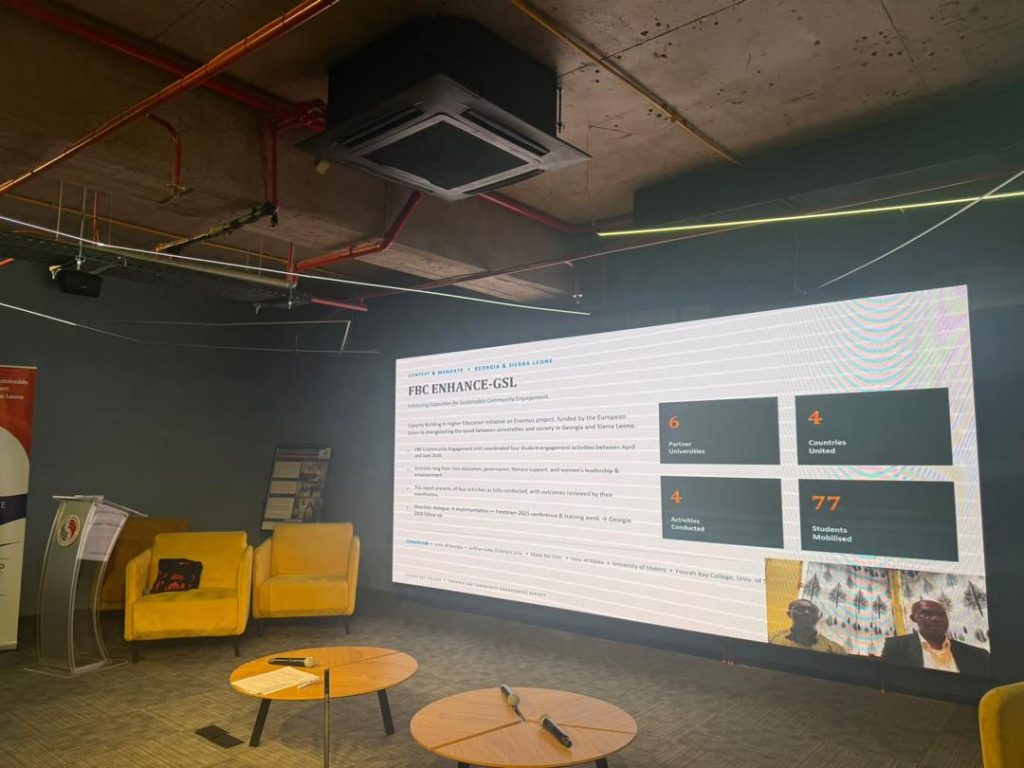
The international partnership brought together six universities from four countries: institutions in Georgia and Sierra Leone, alongside experienced European partners from Croatia and Slovakia. The consortium created opportunities for institutions operating in very different social and educational contexts to learn from one another and to developapproaches appropriate to their own communities.
Sharing International Experiences
The conference programme combined presentations, panel discussions, practical examples and opportunities for interaction among participants.
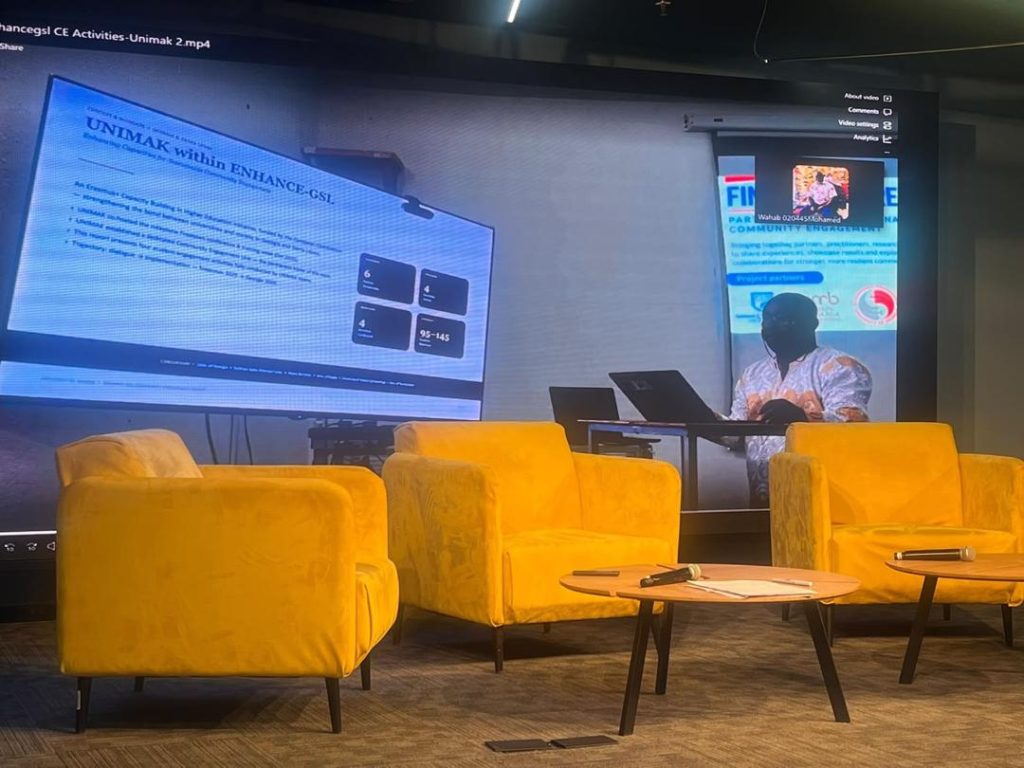
Professor Nicolas Standaert, President of the European Association for Service-Learning in Higher Education, addressed participants via a recorded message. Professor Bojana Ćulum Ilić of the University of Rijeka also emphasised the importance of universities in encouraging community engagement and cultivating volunteerism among young people. Representatives of Matej Bel University in Slovakia contributed to discussions on integrating community engagement into university curricula and shared experiences of service-learning practice.
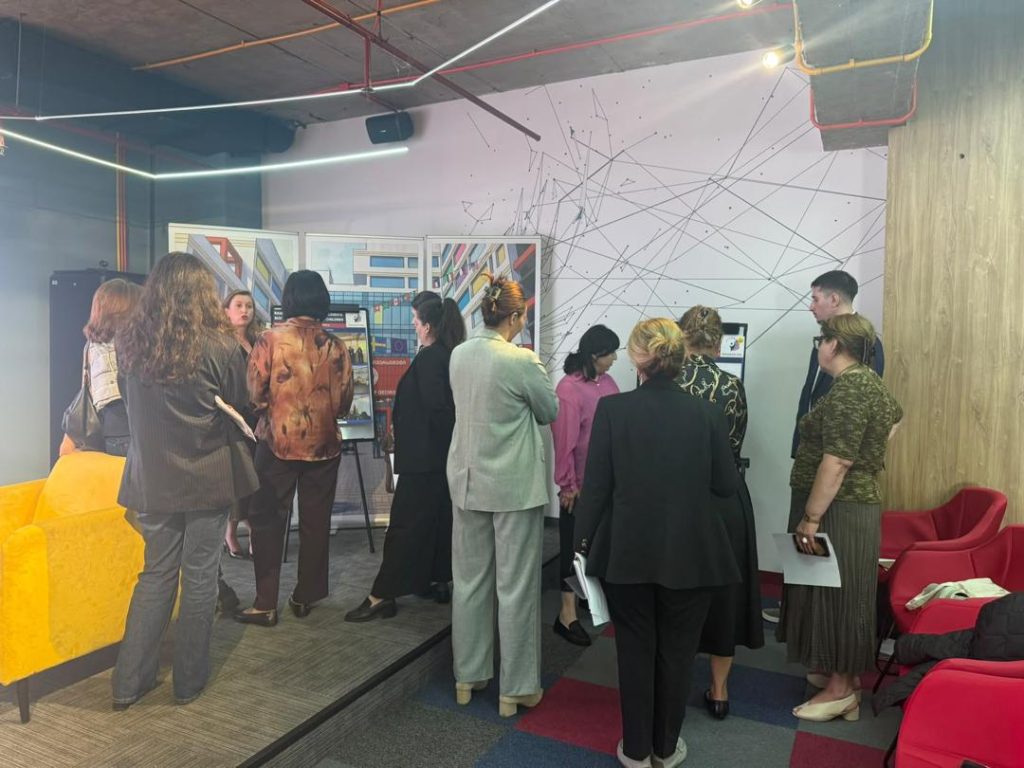
The conference also enabled participating institutions to showcase activities developed during the project. Through presentations and poster sessions, participants could see how community engagement had moved from theory and training into practical action involving academic staff, students and community partners.
This practical orientation was particularly important because one of the central lessons of ENHANCE-GSL has been that community engagement should not simply mean universities going into communities to provide services. Effective engagement requires reciprocity, listening, shared planning and mutual learning. Communities are partners with their own knowledge, experience and resources, rather than passive recipients of university assistance.
UNIMAK’s Journey from Capacity Building to Community Action
For the University of Makeni (UNIMAK), participation in ENHANCE-GSL has contributed to a gradual shift from individual outreach activities to a more coordinated institutional approach to community engagement.
UNIMAK had already been engaged in various forms of outreach and community service before the project. However, ENHANCE-GSL provided additional knowledge, training, international exposure and resources that enabled the University to strengthen these practices and place greater emphasis on partnership, reflection, co-design and sustainability.
One of the most significant institutional outcomes at UNIMAK was the establishment of a Community Engagement Unit, supported by the project. The Unit serves as a focal point for coordinating community engagement activities, strengthening relationships with community partners, supporting staff and student participation, documenting activities, and encouraging faculties and departments to connect teaching and learning with real community needs.
The Unit also serves as an important sustainability mechanism. Rather than community engagement ending when the externally funded project closes, the structure provides an institutional base from which the University can continue to build partnerships and develop future initiatives.
UNIMAK also translated the project’s training and principles into several student-centred community activities. These included the Student Community Health Awareness and Advocacy Campaign, the Student Community Entrepreneurship and Skills Development Programme, the Student-Led Environmental Sanitation and Climate Action Initiative, and the Student-Led Community Literacy and Learning Support Programme.
Through these initiatives, students were able to move beyond the classroom and work directly with communities. Activities addressed practical concerns such as health awareness and the harmful use of drugs, environmental cleanliness and climate responsibility, entrepreneurship and livelihood development, and educational support for learners.
The activities also gave students opportunities to develop communication, teamwork, leadership, problem-solving and civic responsibility. At the same time, communities gained access to information, practical support and closer interaction with the University.
A Journey that Connected Sierra Leone and Europe
The Tbilisi conference was the culmination of a longer journey of learning and exchange.
Earlier phases of the project included an exploratory visit to the University of Rijeka in Croatia in February 2025, during which partners exchanged experiences on embedding community engagement within university structures. Training was then conducted in Georgia, followed by a major conference and training programme in Freetown, Sierra Leone, in October 2025.
The Freetown conference, titled “Universities in Action: Global Perspectives on University–Community Partnerships,” drew approximately 250 in-person participants and additional online attendees. It provided an important platform for Sierra Leonean universities and community stakeholders to discuss the role universities can play in national and community development.
Following the conference, participants from UNIMAK and the University of Sierra Leone underwent training focused on community-engaged teaching and learning. The process encouraged the two Sierra Leonean universities to establish dedicated Community Engagement Units and to pilot community-based initiatives in which students could apply their learning to practical challenges.
The capacity-building process continued with a Training of Trainers programme at Matej Bel University in Banská Bystrica, Slovakia, in May 2026. The training equipped participants to design, implement and evaluate training programmes on community engagement and community-engaged learning, and strengthened their pedagogical and facilitation skills.
By the time partners arrived in Georgia for the final conference, they were not simply discussing what they hoped to achieve. They were reflecting on the experience gained through training, institutional development and the implementation of practical activities.
A Manual for Continued Learning
Another important project output presented during the final conference was the Community Engagement in Higher Education Manual.
The manual was developed as a practical resource to help universities strengthen relationships with their communities and embed community engagement more systematically within institutional life. It captures concepts, methods and practices that institutions can continue to use after the formal project period ends.
For partner universities, the manual is particularly valuable because sustainability depends not only on individual enthusiasm but also on institutional knowledge. Staff may change and projects may end, but documented frameworks, trained personnel and established structures can sustain and develop community engagement.
From Outreach to Partnership
One of the clearest lessons from the ENHANCE-GSL experience is that successful community engagement requires a change of mindset.
Traditional outreach often begins with the university deciding what a community needs and then delivering an activity. The approach promoted by the project places greater emphasis on understanding community priorities, recognising community assets, consulting partners, jointly planning activities, reflecting on results, and maintaining relationships beyond a single intervention.
For UNIMAK, this lesson has influenced how community activities are approached. Community leaders and partner organisations are increasingly seen as contributors to planning and decision-making, rather than merely beneficiaries. Student engagement is also understood as part of learning and personal development, rather than volunteering disconnected from academic life.
This shift is particularly important for Sierra Leone, where universities have academic expertise, energetic students, and institutional resources that can help address social challenges. At the same time, communities possess local knowledge and lived experience that can enrich university teaching, research and decision-making. Community engagement bridges these two forms of knowledge.
The End of a Project, Not the End of the Work
While the final conference formally marked the conclusion of ENHANCE-GSL, discussions in Tbilisi placed strong emphasis on sustainability. Participants considered how the knowledge, capacities, structures and partnerships established through the project could continue to develop within their respective institutions.
For UNIMAK, sustainability will mean strengthening the newly established Community Engagement Unit, continuing student-led programmes, maintaining relationships with community partners and gradually integrating community engagement more deeply into teaching, research and institutional planning.
Challenges remain. Sustainable financing, transport and logistical support, staff workload, monitoring systems, and formal recognition of community engagement within institutional policies will require continued attention. Yet the project has laid a foundation for further progress.
The experience has also shown that meaningful engagement does not always require large projects. A group of students supporting learners in a local school, working with residents on environmental sanitation, sharing reliable health information, or helping community members strengthen entrepreneurial skills can create valuable learning and social impact when the activity is properly planned and implemented in partnership with the community.
Building Bridges Beyond Borders
The final conference in Georgia also demonstrated the value of international cooperation. Universities from countries with different histories, resources and educational systems were able to learn from one another by addressing a common question: How can universities use their knowledge and resources to contribute more meaningfully to society?
The project connected Sierra Leonean experience with Georgian innovation and with established community-engagement and service-learning practices from Slovakia and Croatia. It also forged professional relationships that can support future collaboration beyond ENHANCE-GSL.
The September 29 conference therefore marked both an end and a beginning. It closed the formal implementation period of a project that began in autumn 2024, while also strengthening a network of universities and partners committed to continuing the work.
For the University of Makeni, the enduring significance of ENHANCE-GSL will be measured not merely by conferences attended, reports produced or training completed. Its deeper value will be evident in whether community engagement becomes part of the University’s everyday culture: in how students learn, how lecturers teach, how research questions are developed, and how the University relates to the communities it exists to serve.
As participants departed Tbilisi, the central idea behind the conference theme remained clear: knowledge gains greater value when it is connected to society. Universities can educate,conduct research and award degrees, but their contribution becomes even stronger when knowledge is applied in partnership with communities to respond to real needs and create shared opportunities.
In this sense, the conclusion of ENHANCE-GSL is not the end of community engagement at UNIMAK. It marks the beginning of a more deliberate, structured and sustainable commitment to ensuring that the University remains connected to its communities and continues to be a partner in their development.